

The success of your build isn't decided when the roof goes on; it’s decided the moment the first pallet of concrete blocks hits the red Georgia clay.
In the high-stakes world of Atlanta construction, the wrong choice in masonry is a slow-motion disaster. Imagine a retaining wall bowing under a summer thunderstorm or a foundation cracking because the block couldn’t handle the load—this is the opposite goal of every contractor and homeowner. It represents wasted thousands, ruined reputations, and structural failure.
But there is a different path: a structure that stands as a legacy for eighty years, where every joint is tight, every block is spec-compliant, and the work looks as sharp in year fifty as it did on day one. To bridge that gap, you need more than a vendor; you need a guide who knows the difference between a standard cinder block and the precision-engineered units required for Georgia’s demanding terrain.
The Bedrock of Atlanta: Understanding CMU Basics
In the history of craftsmanship, the Roman Master Masons set the definitive standard for structural integrity through their perfection of the stone arch. While earlier civilizations used basic arches, the Romans were the first to scale the design into permanent infrastructure—like the Alcántara Bridge—that has remained standing for nearly 2,000 years.
Their success was not a matter of luck, but a mastery of compression. These ancient engineers understood that a bridge’s strength did not reside in the individual stones, but in the mechanical relationship created between them. By utilizing wedge-shaped stones known as voussoirs, they ensured that the weight of the structure traveled downward and outward, pressing each stone tighter against its neighbor. In many of their greatest spans, the fit was so precise that they required no mortar at all; the "relationship" of the stones under gravity’s pressure created a state of static equilibrium that grew stronger as more weight was added.
For the modern builder in Atlanta, the lesson remains unchanged. A truly durable build is never just a collection of separate materials—blocks, sand, and rebar. It is a system where the integrity of the whole is entirely dependent on the quality of the connections. Whether it is the precision of a Roman keystone or the bond between a concrete block and high-tensile mortar, we have built for centuries by prioritizing the relationship between the parts.
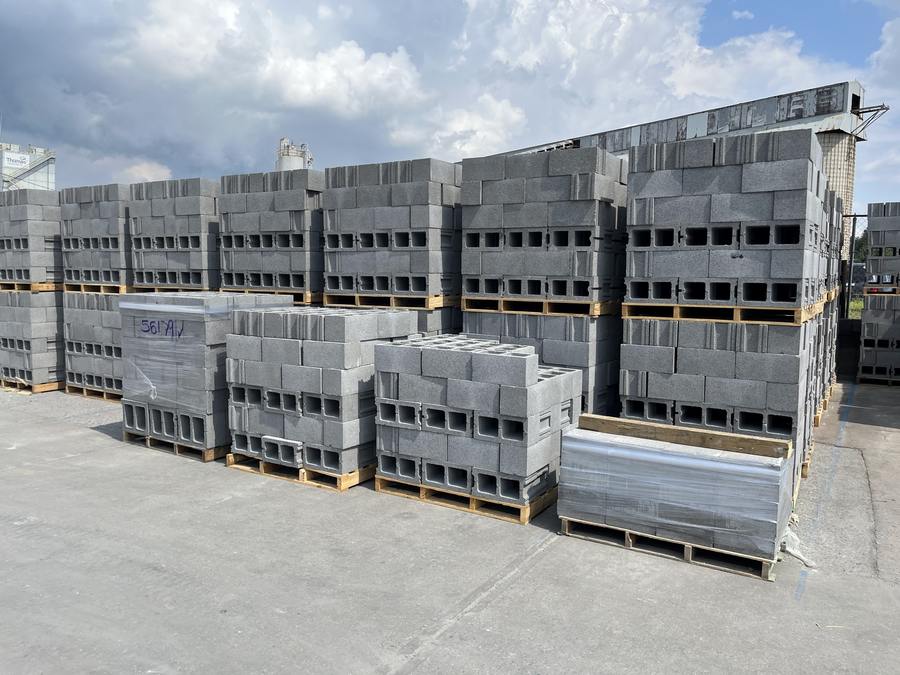
Standard Block Sizes and Their Roles
Choosing the right "caliber" of block is your first step toward structural integrity. We carry a comprehensive range to meet every architectural demand:
-
2-inch and 4-inch Blocks: Often used as caps or for non-load-bearing partitions where space is at a premium.
-
6-inch Regular Blocks: A versatile choice for lighter structural needs or specialized landscaping projects.
-
8-inch Regular Blocks: The gold standard for residential foundations and commercial walls across the Southeast.
-
12-inch Regular Blocks: Reserved for high-load scenarios and deep foundations where maximum stability is non-negotiable.
Navigating the Specialty Yard: Beyond the Standard Gray
If standard blocks are the prose of construction—functional, clear, and essential—then specialty blocks are the poetry. They provide the aesthetic finish and the structural solutions that standard units are not designed to address. While a standard CMU provides the skeleton, specialty masonry provides the character and the specialized engineering required for complex Atlanta landscapes.
This distinction became vital during the mid-20th-century expansion of Metro Atlanta, as builders moved away from purely utilitarian industrial designs toward residential and commercial projects that demanded a more organic integration with the local terrain.
To achieve a wall that looks as though it belongs to the earth itself, rather than the flat, sterile face of a warehouse, masons turned to Splitface Blocks. These units are manufactured with a rough, fractured stone-like texture that catches the shifting Georgia sun, creating shadows and depth that transform a simple boundary into a permanent design feature.
To ensure structural and aesthetic longevity, professional standards dictate pairing these units with matching Splitface Caps. This is not merely for visual consistency; a proper cap protects the interior of the wall from water infiltration and freeze-thaw cycles—two primary causes of masonry failure in the Southeast.
Essential Specialty Units for the Atlanta Builder
To avoid a project that looks unfinished, you must plan for the details:
- Header Blocks: Specifically designed to provide a shelf for brick or stone veneer, ensuring your decorative facade is structurally anchored.
- Channel Blocks: These allow for the placement of horizontal rebar and grout, essentially creating a concrete beam inside your wall for immense lateral strength.
- Patio Blocks and Splash Blocks: Functional additions that protect your landscaping and manage water runoff—a critical factor in the rainy Atlanta climate.
The Chemistry of Success: Mortar and Bagged Goods
A block is only as strong as the bond that holds it. This is where many DIYers and even some pros stumble. They treat mortar as an afterthought, but in reality, it is the glue that determines if your wall breathes or buckles.
Imagine a team of rowers. If one person pulls too hard and the others are too weak, the boat spins in circles. Mortar works the same way. It must be strong enough to hold the weight, but flexible enough to move with the temperature changes of a Georgia summer.
Choosing Your Mix
- Type N Mortar: The balanced choice for general masonry, offering a medium compressive strength perfect for above-grade walls.
- Type S Mortar: The heavy-hitter. When you are building below-grade or dealing with high-pressure structural walls, Type S provides the high-tensile strength required.
- Specialty Portland and Coosa Mixes: For projects requiring specific color matches or rapid setting times, these professional-grade bagged goods ensure your project hits its milestones without delay.
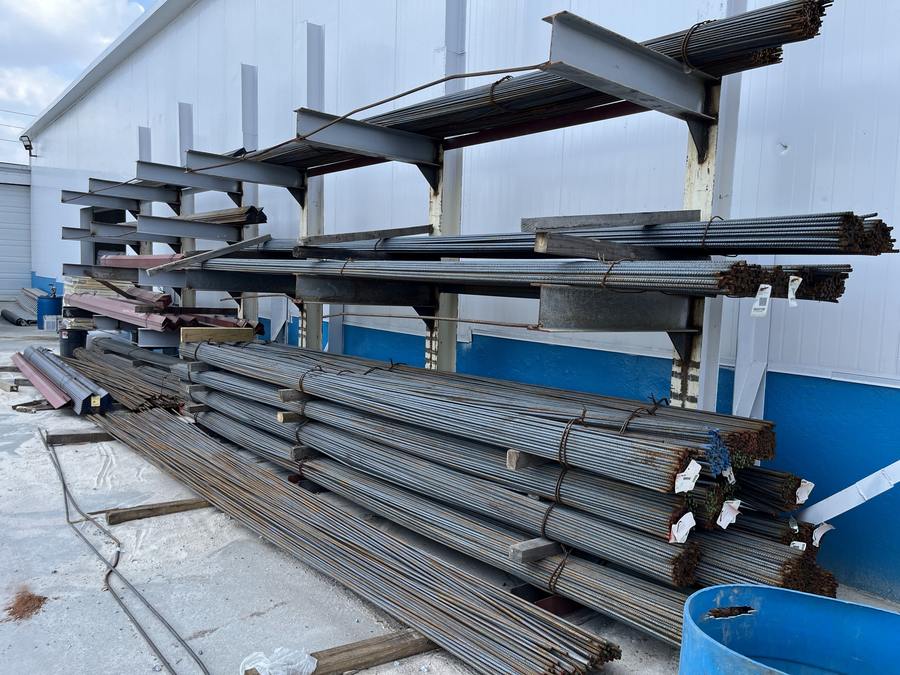
The Invisible Strength: Rebar and Reinforcement
There's been a surge in searches for rebar near me, and for good reason. In the red clay of Peachtree Corners and Doraville, soil expansion is a constant threat. If the blocks are the muscle, rebar is the skeleton.
We’ve all seen the leaning retaining walls in older neighborhoods—the ones that look like they are tired of standing up. That is the result of insufficient reinforcement.
At Humphries, we offer rebar fabrication from #3 through #8, cut and bent to your exact blueprint. When you combine this with reinforced masonry wall mesh (available in ladder and truss forms), you are creating a composite structure capable of withstanding the test of time.
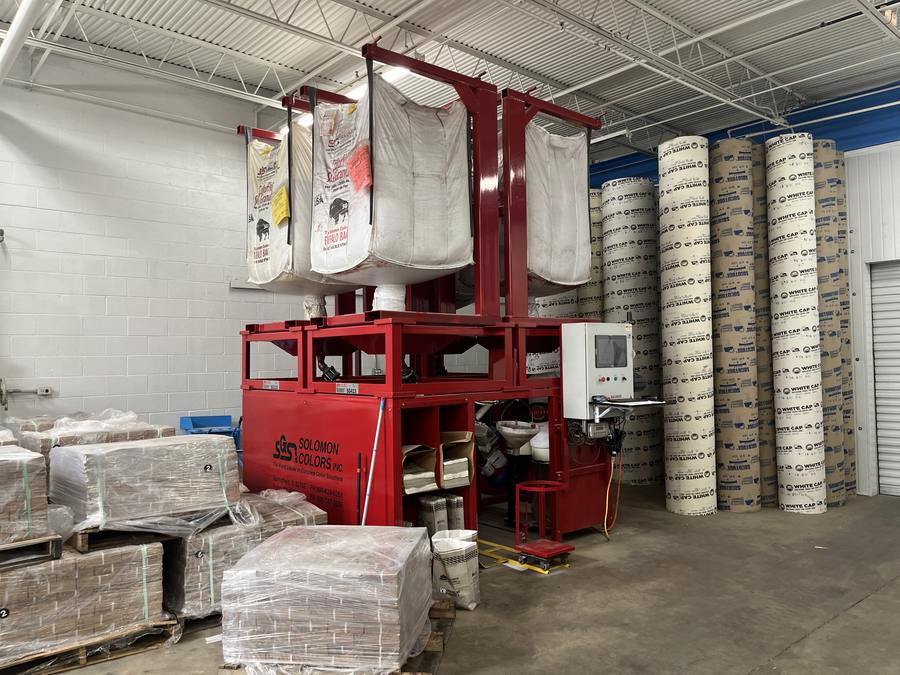
The Designer’s Secret: Custom Concrete Colors
For the Weekend Wayne or the high-end architect, the gray block is just the canvas. Through our Custom Concrete Color Dispenser, we utilize Legacy by Solomon colors to transform standard projects into landmarks.
Think of a master painter. He doesn't just use the colors in the tube; he mixes them to match the light of the room. Our color dispensing system allows you to match existing structures or create bold accents that define a property. This isn't just a surface stain; it is an integral pigment that ensures the color remains vibrant even if the block is chipped or weathered.
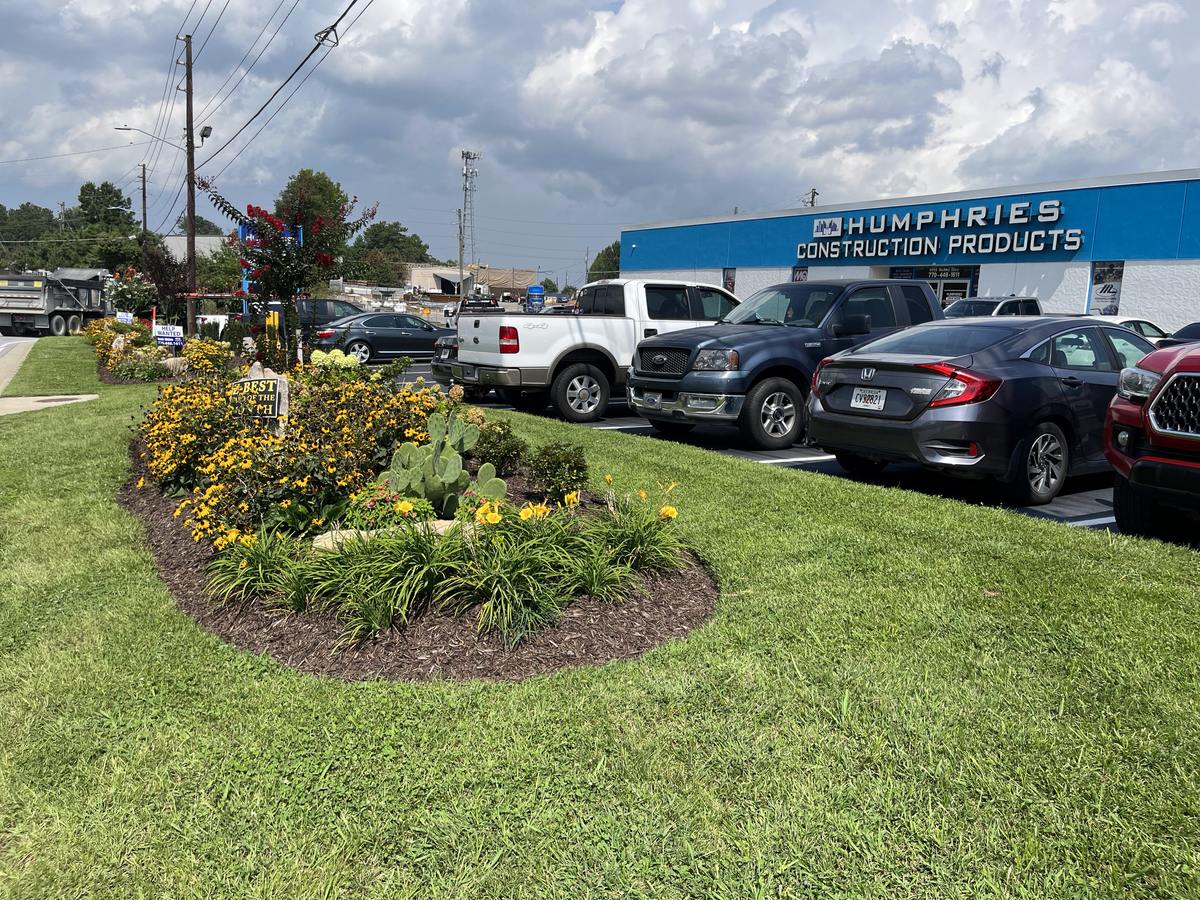
Why Local Expertise Matters in Metro Atlanta
The Big Box retailers offer convenience, but they rarely offer the "deep local knowledge. Since 1946, Humphries Construction Products has been a staple of the Atlanta building scene. We aren't just selling units; we are providing the same materials that built the infrastructure of this city.
When you search for masonry supply near me, you are looking for more than a GPS coordinate. You are looking for a partner who knows that a project in Norcross has different drainage needs than one in Buckhead. Our location near Spaghetti Junction means we can get your materials to the site faster, helping you beat the traffic and keep your crew productive.
Conclusion: Build Your Legacy on Solid Ground
The difference between a job well done and a structural masterpiece lies in the precision of your supplies. We started this guide with a choice: the fear of a crumbling wall versus the hope of a lasting legacy. By selecting the right block size, the correct mortar type, and the necessary reinforcement, you are choosing the latter.
Don't leave your structural integrity to chance or settle for the limited inventory of a generalist. Every cut of rebar, every bag of mortar, and every splitface block you select is a vote for the future of your property. You now have the knowledge to navigate the yard like a pro—now it’s time to put that knowledge into the ground.
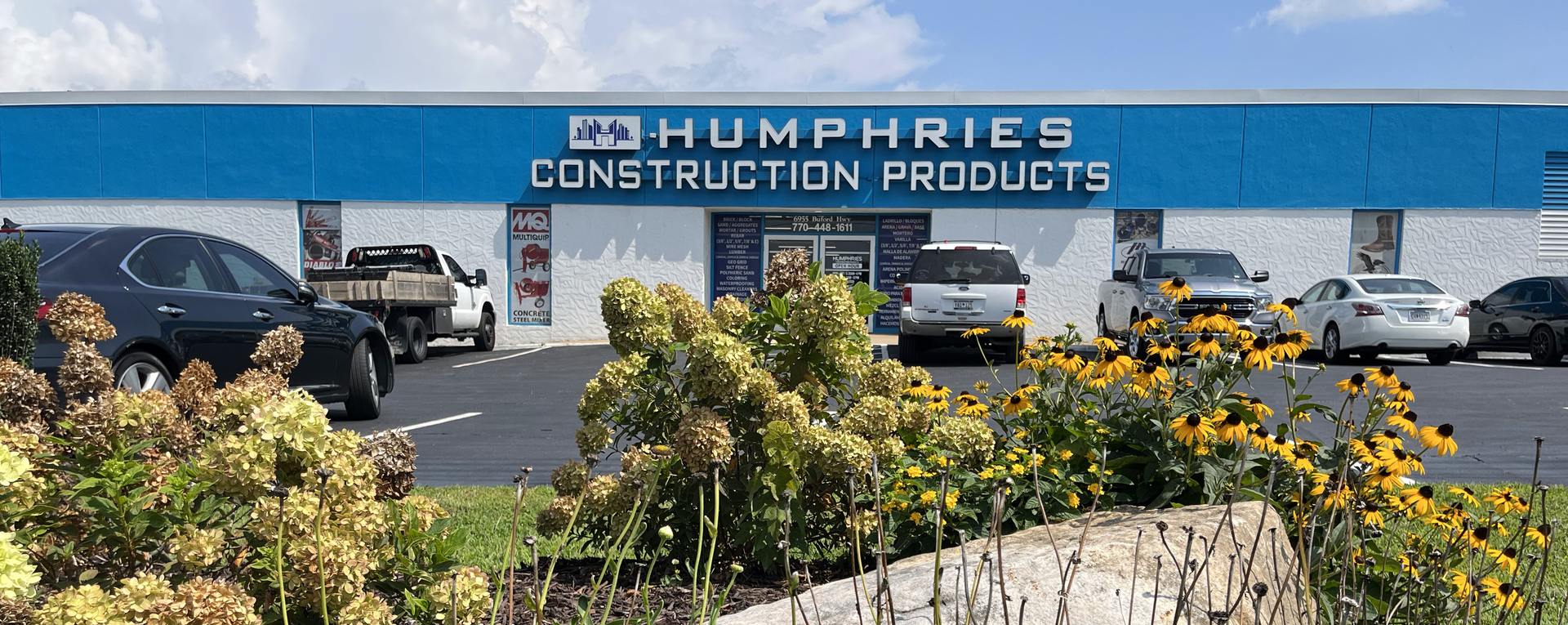
Ready to start your next masonry project with the precision it deserves?
Visit us at 6955 Buford Hwy NE in Peachtree Corners or call us at (770) 448-1611.
Whether you need a single pallet of 8-inch blocks or custom-fabricated rebar for a commercial site, we open at 6:30 AM to ensure your success starts before the sun is up. Let’s build something that lasts.